Tag: ‘migration profile
The .id Australian Community Profile site makes it easy to analyse census data, in this blog I explore changes to the numbers and settlement patterns of Australian residents born overseas…
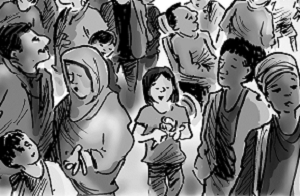
Starting with the 2001 Census, the ABS added a new topic to the already extensive list of Census questions relating to cultural diversity. The question was about Ancestry. At .id we have just added this topic to profile.id sites for all our local government users, with 3 Census years available. This post looks at the main findings of the ancestry question and what it can do.

As well as people’s beliefs and affiliations, religions are also a measure of the cultural diversity in the nation. The fastest growing religious groups represent communities which have had a lot of migration in the last few years. So which are the fastest growing religions (and communities)?

In an earlier article, I looked at the rise of India, Nepal and Malaysian communities, with falls in older European migration, and spectacular increases in some of the smaller sources of immigrants, like Bhutan and Congo. But how is this increasing diversity distributed across Australia? In areas of high diversity, a large proportion of council services need to be devoted to helping recent migrants settle into Australian society, and areas with large increases may not yet have these services in place.

Every Census, one of the topics that gathers the most interest is the changing mix of origins of Australia’s residents. Country of Birth is the easiest way to measure this. Australia is a multicultural society, and there is a lot of interest in how we’re changing. One oft-quoted statistic is that about a quarter of the population were born overseas. The interesting thing about that is that it doesn’t actually change much. About a quarter of the population have been born overseas right back to the 1800s. What does change is the makeup of those overseas origins.

International migration is certainly not a new phenomenon but in recent decades the volume of people moving between countries has increased substantially. The globalisation of the world economy, as well as improving transportation and communications, are key factors behind this increase. The World Bank estimates that over 200 million people live outside their country of birth – and that’s just the official estimate. Australia and Singapore both have a long history of international migration, and potential new trends have recently gained media attention in both countries.
Tasmania is not often considered when it comes to migrants coming into Australia. It is true that the majority of migrants arrive into Sydney and Melbourne, but with the very large numbers of migrants in the past 5 years, many are settling in other areas. While Tasmania only accounted for 0.8% of all migrant arrivals since 2006, there are nevertheless some interesting trends. Read on to find out about them!
In the “Additional Data” section of profile.id is the Migration section. This section contains some of the most powerful storytelling within the profile, and can explain a lot of the changes that you see in your area. The migration section tells you why the population is going up or down and where people are moving from and to. While we spend a lot of time looking at migration from overseas, migration from within Australia is just as important, and in many areas much more important.
The next article in our migration series looks at Australia’s fastest growing state, Western Australia. This series of articles analyses the data available on the Department of Immigration and Citizenship website, to look at likely changes in the makeup of the population which we will see when the Census results are out next year. Local area information is available, which is very important for planning service delivery.
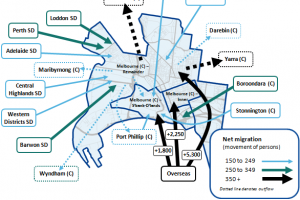
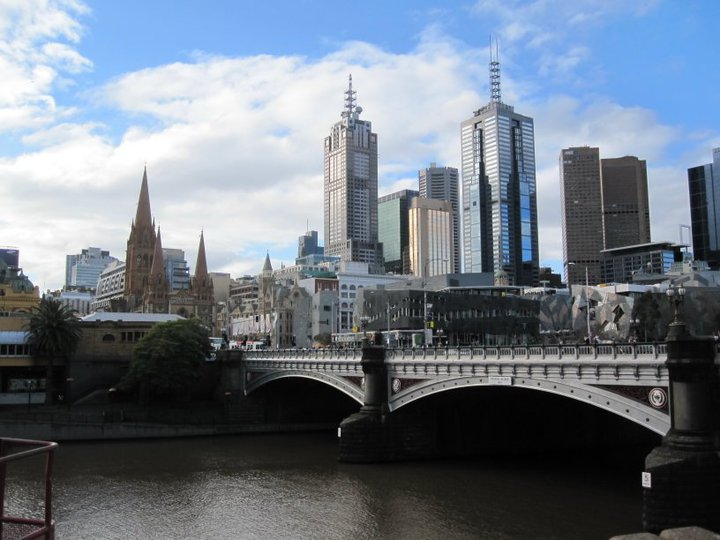
The next article in our migration series looks at the state of Victoria. This series of articles analyses the data available on the Department of Immigration and Citizenship website, to look at likely changes in the makeup of the population which we will see when the Census results are out next year. Local area information is available, which is very important for planning service delivery.
While New South Wales had the largest number of settler arrivals between 2006 and 2011, Victoria was not far behind, with just over 220,000 settlers, 26% of the national total (remember this doesn’t include people on student visas, or most people from New Zealand, as they don’t need to be granted residency). Victoria, along with Western Australia, gets a large share of migrants relative to its population size. Who are they and where did they settle?
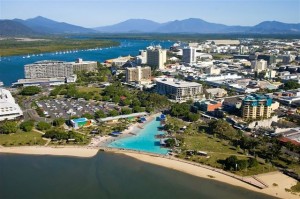
Back in September 2009, it was revealed that Far North Queensland had the highest unemployment rate in the country. The Cairns Regional Council decided to act and immediately established an Economic Development Unit to identify the issues and work on generating programs to grow the economy.